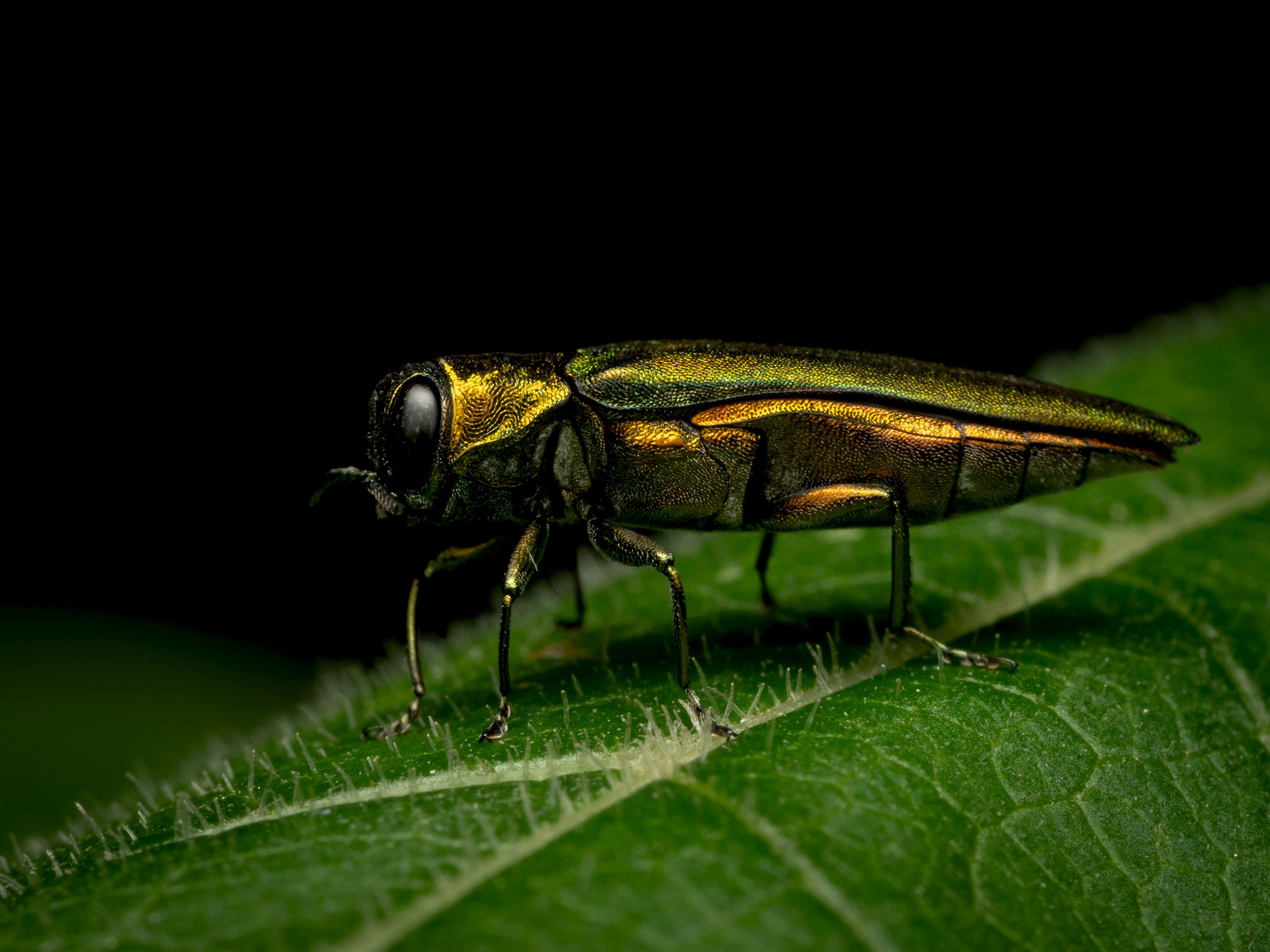
Emerald Ash Borer
Emerald ash borer (EAB) is an invasive beetle that infests and kills ash trees. EAB has killed hundreds of millions of trees across the United States. In 2022, EAB was confirmed in Oregon and it has since spread to Clackamas, Marion, Yamhill, and Multnomah counties.
EAB is now within 5 miles of Trillium Creek Park and up to 10 miles of the rest of North Clackamas Parks and Recreation District.
Impacts of EAB
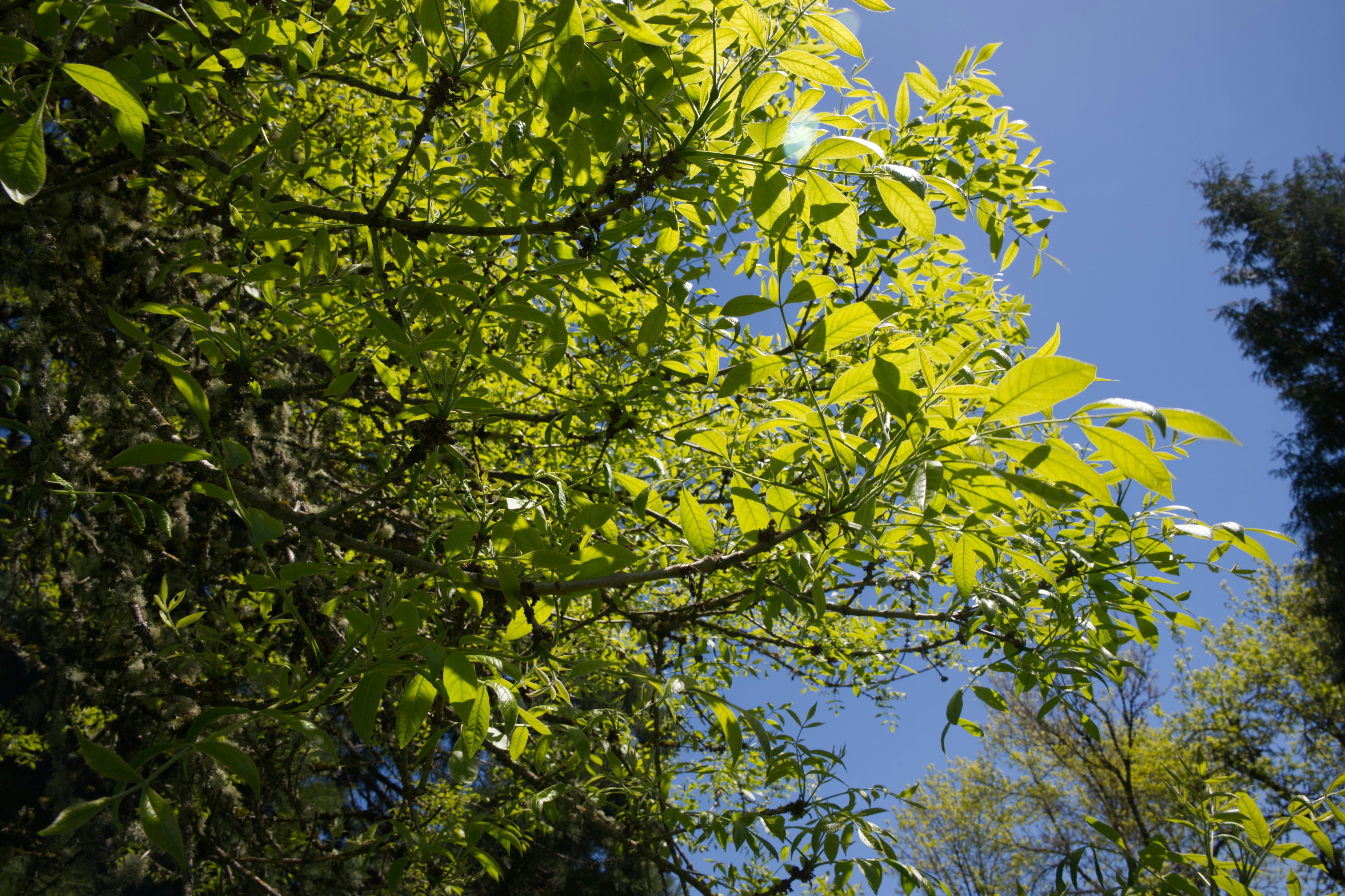
Oregon ash (Fraxinus latifolia) is an important native tree that grows along rivers, streams, and wetlands in low-elevation areas. They are a critical source of shade, erosion control, pollution filtration, and wildlife habitat. According to an inventory taken in 2025, we have identified 915 ash trees of various sizes within North Clackamas Parks and Recreation District.
The mortality rate of infected ash trees is 100%, regardless of the tree’s health, age, or size. Once EAB arrives in an area, it cannot be eradicated—which means it doesn't go away. Losing ash trees in Oregon and the district will have impacts to local environment, economy, and public health.
How NCPRD is Handling EAB
Although the beetle will kill many ash trees in Oregon, there are steps we can take to slow its spread and reduce its impact. NCPRD has been actively working with local, state, and federal partners to prepare for the looming threat. We have developed an EAB Management Plan that prioritizes public safety in our parks and green spaces, while also mitigating canopy and shade loss. The plan includes the following action items:
- Treatment: Protect suitable ash trees by treating with an injectable insecticide.
- Reduction & Replanting: Preemptively remove trees that pose high risk, and small or unhealthy ash trees that are not suitable for treatment. Replant trees, dependent on the park and location, through community volunteer events.
- Wood Disposal: Manage wood waste responsibly and proactively.
- Educate: Provide district residents with information relating to EAB and the resources available for mitigating its impact.
What you can do as an individual to avoid spreading EAB
- Don't move firewood: Buy or collect firewood within 10 miles of where you plan burn it.
- Follow ODA's EAB quarantine: Don’t move ash, olive, or white fringetree material outside of areas known to be infested with EAB. This includes untreated wood, live plants, or plant parts.
- Learn to identify ash trees: The first step to protecting your property from emerald ash borer is determining whether you have ash trees on your property.
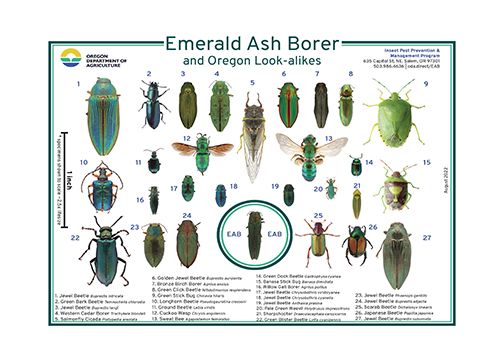
- Learn to identify EAB and symptoms: Early detection allows for effective treatment and management before trees decline rapidly. Also, learn how to tell EAB apart from common lookalikes.
- Help with Detection: Report possible occurrences with the Oregon Invasive Species Council.
Frequently Asked Questions
Additional Resources

Contact
For questions about the Emerald Ash Borer Management Plan, contact the Natural Resources Team at parks@ncprd.org.